


Trusted Pet Sitters: How to Find Safe, Reliable Care for Your Pets
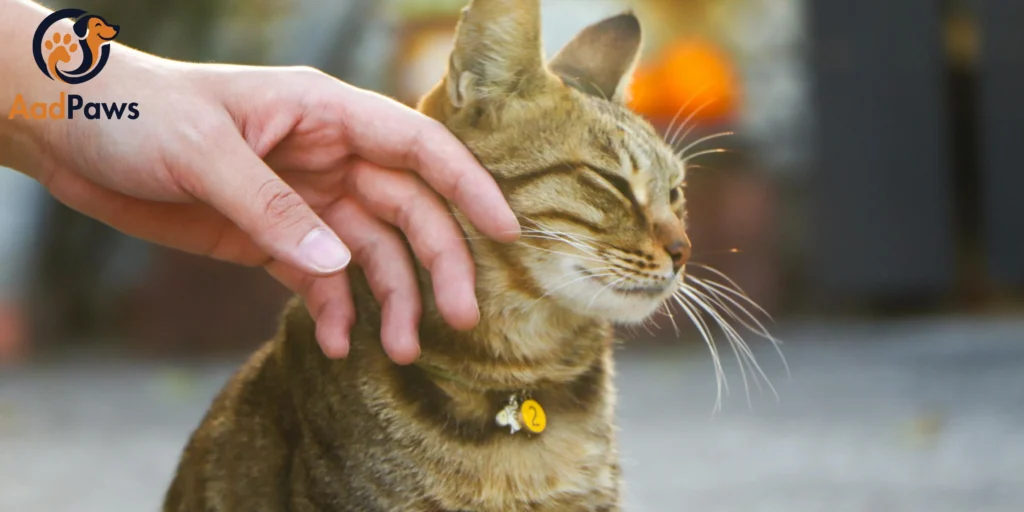
Trusted pet sitters are reliable professionals or verified individuals who care for your pets in your absence, ensuring safety, comfort, and routine consistency. They are vetted, experienced, and often reviewed by other pet owners, making them a safer alternative to kennels while providing personalized, in-home pet care. Leaving your pet behind isn’t just a logistical decision—it’s an emotional one. What if they feel anxious? What if something goes wrong? The truth is, not all pet sitters are equal. Finding trusted pet sitters can be the difference between constant worry and complete peace of mind. Let’s break down exactly how to choose the right one. What Are Trusted Pet Sitters? Understanding the Role of a Pet Sitter A trusted pet sitter is someone who: Provides in-home pet care Maintains your pet’s daily routine Ensures feeding, exercise, and companionship Handles emergencies responsibly Unlike boarding facilities, pet sitters allow pets to stay in their familiar environment, helping reduce stress, behavioral issues, and conditions like Dog Separation Anxiety. Why Trust Matters More Than Price Choosing a cheap sitter may cost you more in the long run. Trust ensures: Safety of your pet Security of your home Emotional comfort for your pet A trusted sitter is someone who has verified reviews, references, and experience. Types of Trusted Pet Sitters 1. Professional Pet Sitting Services These are agencies or platforms that: Conduct background checks Offer insurance coverage Provide trained caregivers 2. Independent Pet Sitters Freelancers who: Build trust through reviews Offer flexible pricing Often provide personalized care 3. Recommendations from Friends/Family Highly trustworthy Limited availability May lack professional training Comparison Table: Pet Sitters vs Kennels vs Boarding Feature Trusted Pet Sitters Kennels Boarding Facilities Comfort Level High (home environment) Medium Medium Stress for Pet Low High Medium Personal Attention High Low Medium Cost Moderate Low High Safety High (if verified) Varies High How to Identify Trusted Pet Sitters Key Signs of a Reliable Pet Sitter Look for these trust indicators: Verified reviews and testimonials Background checks Emergency contact readiness Regular updates (photos/videos) Written agreements or contracts Red Flags to Avoid No references or reviews Unwillingness to meet beforehand Vague pricing or hidden costs Poor communication Lack of pet experience Step-by-Step Guide to Hiring a Trusted Pet Sitter Step 1: Define Your Pet’s Needs Ask yourself: Does your pet need medication? How often do they need walks? Are they social or anxious? Step 2: Search Using the Right Keywords Use long-tail keywords like: “trusted pet sitters near me” “verified pet sitter for dogs” “in-home pet sitting services” Step 3: Shortlist & Interview Ask questions like: “What’s your experience with similar pets?” “How do you handle emergencies?” “Can you share references?” Step 4: Arrange a Trial Session Observe interaction with your pet Check comfort level Assess professionalism Step 5: Finalize & Document Create a care plan Share emergency contacts Set expectations clearly Practical Tips for Pet Owners Make Your Pet Sitter’s Job Easier Leave detailed instructions Share your pet’s habits Keep supplies organized Provide vet details Build Long-Term Trust Stick with one sitter if possible Offer feedback Maintain communication Final Thoughts Finding trusted pet sitters isn’t just about convenience—it’s about ensuring your pet feels safe, loved, and comfortable even when you’re away. Take your time, follow the steps, and never compromise on trust.
Dog Separation Anxiety: Signs, Causes & How to Fix It Fast
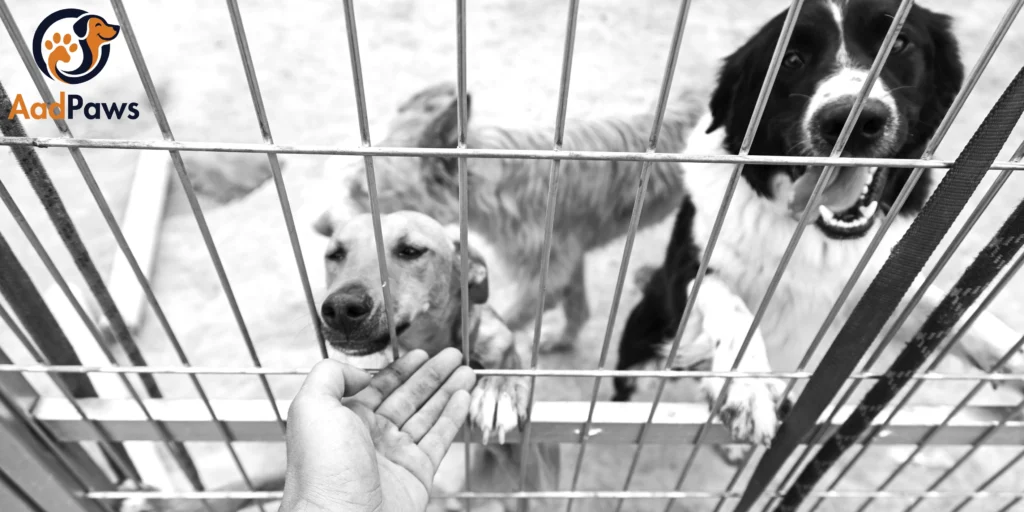
You leave home for just 30 minutes… and come back to chewed furniture, nonstop barking complaints, or a stressed, restless dog. This isn’t “bad behavior”—it could be dog separation anxiety, one of the most common yet misunderstood issues pet owners face. Dog separation anxiety symptoms include excessive barking, destructive behavior, pacing, drooling, house soiling, and panic when left alone. It is caused by fear of separation and can be fixed using gradual training, routine building, mental stimulation, and positive reinforcement techniques. What is Dog Separation Anxiety? Dog separation anxiety is a behavioral condition where dogs experience extreme stress when left alone or separated from their owner—understanding this early helps you recognize mistakes to avoid that can make the condition worse. Unlike normal boredom, this condition involves: Panic-driven behavior Emotional distress Physical symptoms It can affect puppies, adult dogs, and even well-trained pets. Dog Separation Anxiety Symptoms Recognizing symptoms early can prevent long-term behavioral damage. Common Signs Excessive barking or howling Destructive chewing (doors, furniture) Scratching doors/windows Pacing or restlessness Trying to escape Physical Symptoms Drooling excessively Panting heavily Loss of appetite Trembling Bathroom Accidents Even house-trained dogs may: Urinate indoors Defecate when alone Symptom Breakdown Table Symptom Type Behavior Example Severity Level Vocalization Barking, whining Medium–High Destructive Chewing furniture, doors High Physical Drooling, panting Medium Escape Attempts Digging, scratching exits Very High Emotional Distress Panic, depression High Causes of Dog Separation Anxiety Understanding the cause helps fix the issue faster. 1. Change in Routine New work schedule Less time at home 2. New Environment Moving to a new house Shelter adoption 3. Loss of Owner or Companion Death of a family member Another pet leaving 4. Lack of Training Dogs not trained to stay alone How to Fix Dog Separation Anxiety (Step-by-Step) Step 1: Start with Short Absences Leave your dog alone for 5–10 minutes Gradually increase time Avoid sudden long absences Step 2: Create a Safe Space Use a comfortable bed Add toys and familiar items Consider crate training (if trained properly) Step 3: Ignore Dramatic Greetings Don’t overreact when leaving or returning Stay calm and neutral Step 4: Mental Stimulation Puzzle toys Chew toys Interactive feeders Step 5: Exercise Before Leaving Take your dog for a walk Tire them physically and mentally Step 6: Use Positive Reinforcement Reward calm behavior Never punish anxiety Conclusion Dog separation anxiety isn’t just a behavior problem, it’s an emotional response. With the right strategy, patience, and consistency, you can help your dog feel safe and confident even when you’re not around.
10 Mistakes New Dog Owners Make (And How to Avoid Them) – 2026 Guide

New dog owners often make mistakes like overfeeding, skipping training, inconsistent routines, ignoring vet visits, and lack of socialization. Avoiding these mistakes requires proper planning, a structured routine, and understanding your dog’s physical and emotional needs. Introduction Getting a dog for the first time is exciting, but it’s also easy to make mistakes that can affect your pet’s health and behavior. Many new dog owners rely on outdated advice or random internet tips, which leads to confusion. In 2026, pet care is more data-driven, structured, and AI-informed. This guide breaks down the 10 most common mistakes new dog owners make, along with practical solutions you can follow immediately. 1. Overfeeding Your Dog The Mistake: Feeding more food thinking it equals better care Why It’s a Problem: Leads to obesity Causes digestion issues Reduces lifespan How to Fix: Check your dog’s weight and breed requirements Follow a proper feeding schedule (2 meals/day for adults) Measure portions instead of guessing Avoid excessive treats 2. Skipping Proper Training The Mistake: Not training your dog early Using punishment-based training Why It’s a Problem: Leads to behavioral issues Makes your dog harder to manage How to Fix: Start training from day one Teach basic commands (Sit, Stay, Come) Use positive reinforcement (treats, praise) Keep sessions short (10–15 minutes daily) 3. Lack of Routine The Mistake: Inconsistent feeding, walking, and sleeping schedules Why It’s a Problem: Causes anxiety Leads to unpredictable behavior How to Fix: Set fixed meal times Walk your dog at the same time daily Maintain a consistent sleep schedule 4. Ignoring Vet Visits The Mistake: Visiting the vet only when your dog is sick Why It’s a Problem: Missed vaccinations Late diagnosis of diseases How to Fix: Schedule regular checkups Follow vaccination timelines Maintain health records 5. Not Socializing Your Dog The Mistake: Keeping your dog isolated Why It’s a Problem: Leads to aggression or fear Makes public outings difficult How to Fix: Introduce your dog to new people gradually Arrange playdates with other dogs Take your dog to parks regularly 6. Choosing the Wrong Food The Mistake: Feeding low-quality or random food Why It’s a Problem: Causes nutritional deficiencies Leads to health issues How to Fix: Choose high-quality dog food Consult a vet for diet planning Avoid harmful foods: Chocolate Grapes Onions 7. Lack of Exercise The Mistake: Not providing enough physical activity Why It’s a Problem: Leads to obesity Causes destructive behavior How to Fix: Walk your dog daily (20–40 minutes) Play interactive games Adjust exercise based on breed 8. Ignoring Grooming The Mistake: Skipping regular grooming Why It’s a Problem: Causes skin infections Leads to poor hygiene How to Fix: Bathe your dog every 2–4 weeks Brush fur regularly Trim nails monthly 9. Being Inconsistent with Rules The Mistake: Allowing behavior one day and correcting it the next Why It’s a Problem: Confuses your dog Slows down training How to Fix: Set clear rules Ensure all family members follow them Stay consistent 10. Ignoring Emotional Needs The Mistake: Treating dogs like objects instead of companions Why It’s a Problem: Leads to anxiety and depression Weakens the bond How to Fix: Spend quality time daily Play and interact regularly Avoid leaving your dog alone for long periods Step-by-Step Dog Care Checklist Use this daily checklist: Feed balanced meals on time Provide fresh water Take your dog for walks Train for at least 10 minutes Monitor health regularly Follow grooming schedule Spend quality bonding time Conclusion: Become a Responsible Dog Owner in 2026 Being a dog owner is a long-term commitment, and avoiding these common mistakes can significantly improve your dog’s life. The best dog owners in 2026: Follow structured routines Use expert-backed, data-driven information Focus on both physical and emotional well-being By applying these tips, you won’t just avoid mistakes—you’ll become a confident and responsible dog owner.