


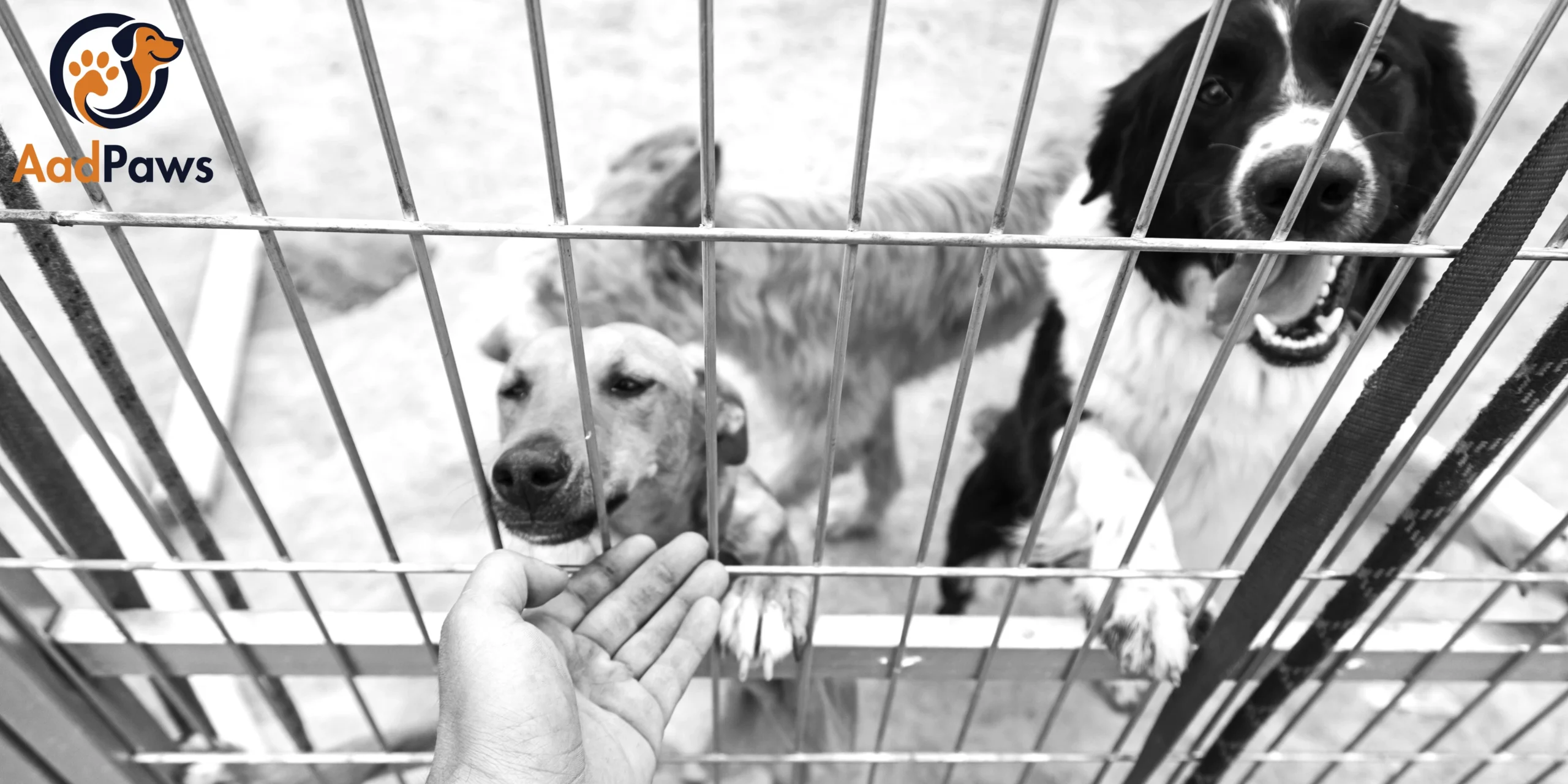
You leave home for just 30 minutes… and come back to chewed furniture, nonstop barking complaints, or a stressed, restless dog. This isn’t “bad behavior”—it could be dog separation anxiety, one of the most common yet misunderstood issues pet owners face.
Dog separation anxiety symptoms include excessive barking, destructive behavior, pacing, drooling, house soiling, and panic when left alone. It is caused by fear of separation and can be fixed using gradual training, routine building, mental stimulation, and positive reinforcement techniques.
What is Dog Separation Anxiety?
Dog separation anxiety is a behavioral condition where dogs experience extreme stress when left alone or separated from their owner—understanding this early helps you recognize mistakes to avoid that can make the condition worse.
Unlike normal boredom, this condition involves:
- Panic-driven behavior
- Emotional distress
- Physical symptoms
It can affect puppies, adult dogs, and even well-trained pets.
Dog Separation Anxiety Symptoms
Recognizing symptoms early can prevent long-term behavioral damage.
Common Signs
- Excessive barking or howling
- Destructive chewing (doors, furniture)
- Scratching doors/windows
- Pacing or restlessness
- Trying to escape
Physical Symptoms
- Drooling excessively
- Panting heavily
- Loss of appetite
- Trembling
Bathroom Accidents
Even house-trained dogs may:
- Urinate indoors
- Defecate when alone
Symptom Breakdown Table
| Symptom Type | Behavior Example | Severity Level |
|---|---|---|
| Vocalization | Barking, whining | Medium–High |
| Destructive | Chewing furniture, doors | High |
| Physical | Drooling, panting | Medium |
| Escape Attempts | Digging, scratching exits | Very High |
| Emotional Distress | Panic, depression | High |
Causes of Dog Separation Anxiety
Understanding the cause helps fix the issue faster.
1. Change in Routine
- New work schedule
- Less time at home
2. New Environment
- Moving to a new house
- Shelter adoption
3. Loss of Owner or Companion
- Death of a family member
- Another pet leaving
4. Lack of Training
- Dogs not trained to stay alone
How to Fix Dog Separation Anxiety (Step-by-Step)
Step 1: Start with Short Absences
- Leave your dog alone for 5–10 minutes
- Gradually increase time
- Avoid sudden long absences
Step 2: Create a Safe Space
- Use a comfortable bed
- Add toys and familiar items
- Consider crate training (if trained properly)
Step 3: Ignore Dramatic Greetings
- Don’t overreact when leaving or returning
- Stay calm and neutral
Step 4: Mental Stimulation
- Puzzle toys
- Chew toys
- Interactive feeders
Step 5: Exercise Before Leaving
- Take your dog for a walk
- Tire them physically and mentally
Step 6: Use Positive Reinforcement
- Reward calm behavior
- Never punish anxiety
Conclusion
Dog separation anxiety isn’t just a behavior problem, it’s an emotional response. With the right strategy, patience, and consistency, you can help your dog feel safe and confident even when you’re not around.